Gartner has published its Emerging Tech Impact Radar: Disinformation Security (September 2026), and ToothPic is named among the Sample Vendors in it.
What the research covers
The Impact Radar maps the technologies and trends Gartner sees driving innovation in disinformation security, and assesses their maturity, market momentum and influence. It is written for technology product leaders deciding where to place roadmap bets as generative AI reshapes what can be trusted online.
A recurring theme runs through it: reactive, post-publication detection is losing ground. As synthetic media gets cheaper and faster to produce, Gartner points toward establishing authenticity at the point of origin — cryptographic provenance rather than forensic analysis after the fact.
Where ToothPic appears
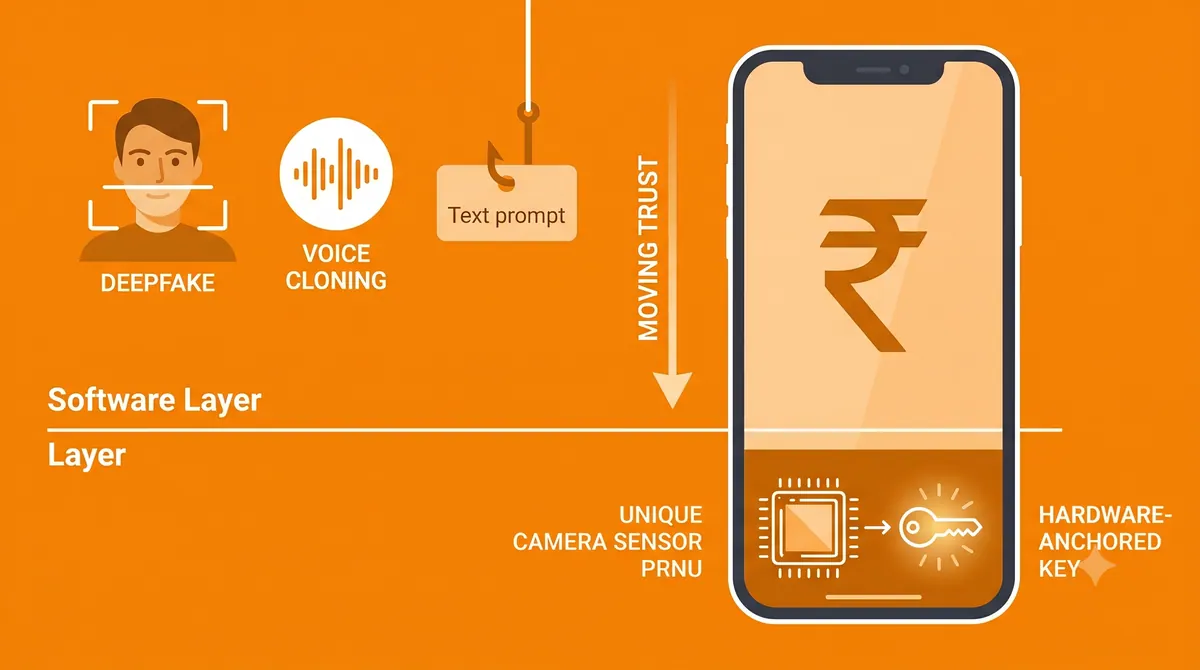
ToothPic is listed as a Sample Vendor under Trust and Authenticity for Physical AI — the theme concerned with securing autonomous and edge systems against spoofing at the hardware sensory level, where Gartner notes the industry shift from software-only deepfake detection toward hardware-anchored trust.
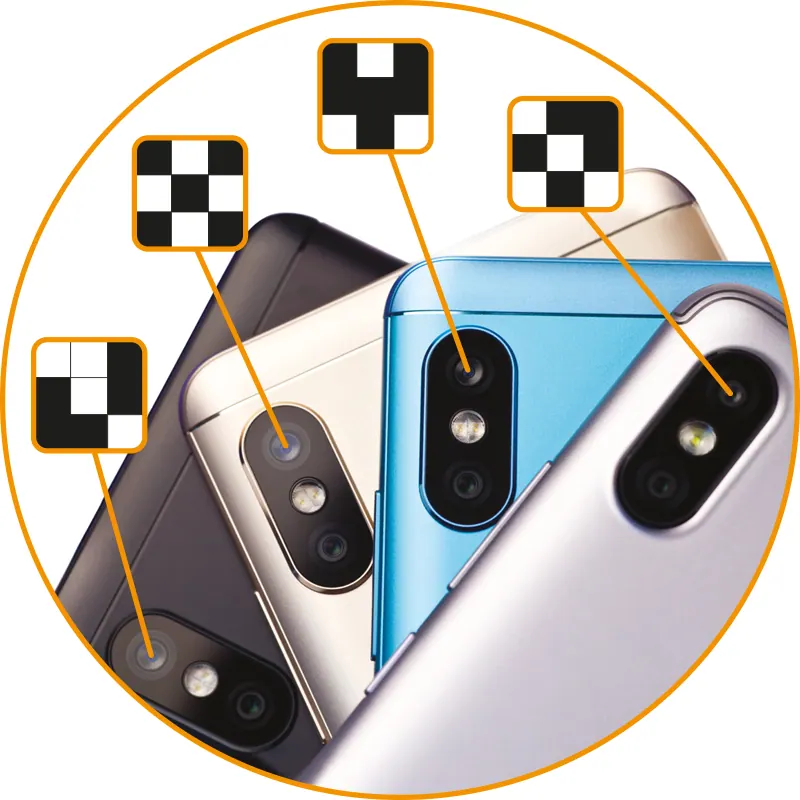
That is the problem ToothPic was built for. Every smartphone camera sensor carries a factory-random, non-copyable silicon fingerprint — Photo-Response Non-Uniformity. ToothPic turns it into a cryptographic key that is rebuilt on the device only for the instant it signs, and is never exposed in clear text. A synthetic video stream, whether presented to the camera or injected directly into an API, carries no sensor noise — so no key is generated and no signature is produced. The fake is not scored and judged. It simply cannot answer.
Why it matters for banks and enterprises
For security and fraud leaders, the useful signal here is directional rather than tactical: independent analysts are describing hardware-anchored, point-of-origin trust as where this market is heading, not as a niche. Organisations evaluating deepfake and identity-fraud defences now have a reason to ask vendors a harder question — not "how good is your detection?", but "what, in physical matter, is your trust actually anchored to?"
Gartner, Emerging Tech Impact Radar: Disinformation Security, Apeksha Kaushik, Alfredo Ramirez IV, 25 September 2026. Gartner does not endorse any vendor, product or service depicted in its research publications and does not advise technology users to select only those vendors with the highest ratings or other designation. Gartner research publications consist of the opinions of Gartner's research organization and should not be construed as statements of fact. Gartner disclaims all warranties, expressed or implied, with respect to this research, including any warranties of merchantability or fitness for a particular purpose. GARTNER is a registered trademark and service mark of Gartner, Inc. and/or its affiliates in the U.S. and internationally and is used herein with permission. All rights reserved.
Want the report?
Tell us a little about your use case and our team will get back to you with access details and a walkthrough of where ToothPic fits.